Tuesday, April 6, 2010

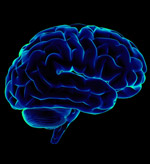
Kde sú uložené naše spomienky?

Spomienky sú veľmi dôležité pre náš každodenný život, ale o ich formovaní stále nevieme veľa vecí. K našim spomienkam (vedomostiam, poznatkom) pristupujeme vždy keď vykonávame nejakú úlohu, komunikujeme s inými alebo sa snažíme sformulovať náš názor. Fyzická podstata bola ale dlho záhadou. Aké zmeny sa uskutočňujú v mozgu pri vytváraní novej spomienky?

Z výskumu v tejto oblasti máme určité poznatky. Napríklad, pri formovaní spomienok sa posilňuje synaptické spojenie medzi nervovými bunkami. Vieme to z experimentov na morských slimákoch, ktoré majú relatívne jednoduchý nervový systém. Tím pod vedením Kesey-a Martin-a na University of California v Los Angeles minulý rok po prvý krát sledoval tvorbu spomienok v mozgu vo forme nových bielkovín tvorených v synapsiách (Science, č. 324, str. 1536).

Kde sú ale spomienky (vedomosti) uložené v zložitých mozgoch vyšších cicavcov? Krátkodobé spomienky, ako napríklad práve nadiktované telefónne číslo, sa zrejme ukladajú do dvoch stočených štruktúr nazývané hipokampusi (v každej hemisfére jeden), ktoré sa nachádzajú hlboko v mozgu, v spánkovom laloku. V roku 2008, Courtney Miller a David Sweatt na University of Alabama v Tuscaloosa ukázali, že myšiam sa po hodine od zapamätanej udalosti zmenila DNA neurónov v tejto oblasti, čo pozmenilo produkciu bielkovín. Počas nasledujúceho týždňa nastali podobné zmeny DNA aj neurónoch v mozgovej kôre. Tieto zmeny sa zdali byť trvalé, čo by mohlo indikovať, že tam vznikli dlhodobé spomenienky (Neuron, č. 53, str. 857). Dvojica vedcov sa domnieva, že sledovali formovanie krátkodobých spomienok v hipokampe, z ktorých sa potom stali dlhodobé spomienky v mozgovej kôre.

Mozog venuje značnú pozornosť veciam, z ktorých máme strach alebo v nás vyvolávajú inú silnú emóciu, keďže ich zapamätanie môže znamenať rozdiel medzi životom a smrťou. Štruktúra v mozgu nachádzajúca sa blízko hipokampusu, nazývaná amygdala, je známa pre jej úlohu počas označovania takýchto udalostí. V roku 2009, tím vedený Sheenou Josselyn na Hospital for Sick Children v Kanadskom Toronte objavil, že myšiam dokážu vymazať strav vzbudzujúce spomienky pomocou selektívneho zničenia neurónov v amygdale, ktorých synapsie boli posilnené po stimulacií šumom (Science, č. 323, str. 1492). Bolo to vôbec prvý krát, kedy bola špecifická spomienka "vystopovaná" až k neurónom, ktoré ju uchovávali (kódovali).

Deň, kedy podobne uvidíme spomienku v ľudskom mozgu, je ešte stále neznámy.

Zdroj: New Scientist

Sunday, November 15, 2009

Jazzová pesnička na Slovenskom rozhlase

Dnes (15.11.2009) ma veľmi milo prekvapil Slovenský rozhlas, keď po relácii "Pozor, zákruta!" zaradil do éteru pesničku The Universal Cure od Oskar Rozsa Trio.

Kedže nepoznám presne programovú štruktúru Slovenského rozhlasu, najskôr som si myslel, že je to nejaká relácia o jazze. Pre istotu som ešte raz skontroloval, že naozaj počúvam rádio a naozaj Slovenský rozhlas, kedže ho streamujem cez hudobný prehrávač (Rhythmbox), kde počúvam aj "empétrojky" (a tiež oggčká). Na moje príjemné prekvapenie to bol naozaj Slovenské rozhlas.

Zostáva len dúfať, že sa takáto situácia bude častejšie opakovať a z éteru zaznie viac takejto kvalitnej muziky ne-mainstreamového žánru.

Friday, August 14, 2009

Zvrátená Ficova logika v kauze emisie

"Dajte nám relevantný dôkaz o cene, nie bublinu."

To boli slová premiéra Róberta Fica na ostatnej tlačovke ohľadne kauzi predaja emisných kreditov. Podobné vyjadrenia mal už aj v minulosti.

Problém v týchto jeho vyjadreniach je v tom, že majú úplne zvrátenú logiku. Nie on alebo vláda, ale iní (hlavne novinári a opozícia) majú predložiť dôkazy o tom, že v tom čase existovala lepšia ponuka a tým dokázať, že zmluva s firmou Interblue Group je pre stat nevýhodná. To je absurdne. On a aj vláda SR rozhodujú o štátnych peniazoch, tj. peniazoch, ktoré vyzbierali od ľudí a ktoré majú použivať efektívne a účelne. On a aj vláda SR sú teda tí, ktorí majú dokazovať, že ich minuli v súlade s týmto duchom. Oni by mali niesť dôkazné bremeno v tejto kauze.

Fico by mal teda predložiť dôkaz o tom, že toto bola tá najvýhodnejšia ponuka a nie naopak. To, že tak doteraz neurobil a vymyslel si túto hru na dokazovanie nasvedčuje tomu, že žiadny takýto dôkaz nemá. Keď takýto dôkaz nemá on, ani vláda, ktorá má určite lepšie prostriedky na jeho získanie, tak potom ho ani logicky nemôže žiadať od iných. Lenže logika (nielen) v tejto kauze bohužiaľ prehráva.

Monday, August 10, 2009

Baloney detection kit

People tends to believe a lot of foolish things which has nothing to do with reason or open-minded clear thinking. I found some materials which could be useful to distinguish between science and pseudo(non)science.

Another very good kit:
http://users.tpg.com.au/users/tps-seti/baloney.html

Sunday, August 9, 2009

Logical thinking - solution

In the previous post I gave you a riddle, and now I'll tell you the solution.

The correct answer is: the card with "car" should be picked. Why? Because if on the other side of the car, there is NY, the statement will be false, otherwise it will be true (eg., car|Paris).

Why #2? When you pick up the card with "plane", on the other side there could be everything and it won't violate the statement (eg., plane|Houston). When you pick up the card with "Chicago" there could be also everything (eg., Chickago|bike), and it won't help us to precise our sentence.

Logical thinking

I give you a riddle.

Imagine a situation that you have a statement: "You can get to NY only by plane.". Then you have 3 cards. On one side each card, there is a mean of transportation (eg., plane, car, bike) and on the other there is name of a city (eg., LA, Boston, Chicago). So, for example it could be car|Paris, boat|London, plane|Tokyo, etc. But you can see only one side of each card in the beginning (They are upside down on a table for instance). You have these three cards: plane, Chicago, car.

Your task is to pick up one card of these three to find out (and be 100% sure) if the statement in the beginning is true or false. What card will it be?

Think carefully :)

... and the answer will be described in another post.

Infoservis najväčších slovenských poisťovní

Potreboval som si spraviť prehľad o cestovnom poistení kvôli Erasmu, tak som poslal hromadný email ôsmym najväčším poisťovniam na Slovensku.

Moje požiadavky neboli nejaké nezvyčajné - zdravotné poistenie, poistenie zodpovednosti za škodu a poistenie právnej pomoci. Iba informatívne som tam pridal poistenie rizikovejších športov (rafting, horolezectvo). Dobrému poisťovaciemu agentovi by to malo trvať max. 20 minút aj s napísaním emailu.

Email som poslal 29. júla (streda) o 11:59. V tabuľke je prehľad rýchlosti ich odpovedí zoradené podľa abecedy.

Poisťovňa Rýchlosť odpovede
Allianz - Slovenská poisťovňa v ten istý deň
AXA 2 dni
ČSOB poisťovňa 10 dní (8 pracovných)
Európska cestovná poisťovňa 2 dni
Groupama žiadna odpoveď
Kooperativa v ten istý deň
Union poisťovňa v ten istý deň
Wüstenrot žiadna odpoveď

Neviem či je to objektívne merateľný parameter, podľa ktorého by ste si mali zvoliť poisťovňu, ale niečo to napovedá o rýchlosti pri jednaní s (budúcimi) zákazníkmi. Najmä v čase letných dovoleniek, kedy sa cestovné poistenie, podľa mňa, najčastejšie uzatvára a vzniká aj najviac poistných udalostí.

Friday, April 3, 2009

2D color maps in gnuplot 4.2

I was working on a school project about MLP and I had some output data in this form:

[x, y, category]
------------------
-4.82 -2.906 -1.0
-3.224 2.244 -1.0
-1.342 0.876 1.0
3.383 -2.237 -1.0
-1.665 -4.269 -1.0
-0.154 -0.042 1.0
2.148 1.662 0.0
------------------

And I wanted to make a colored map where the color of the points (first two columns) is dependent on category (the last column). Cause it's not a trivial task I wanted to share with solution I found. Here you can find the answer: http://www.gnuplot.info/faq/faq.html#SECTION000511000000000000000

For those who don't like to leave my blog there is the code:
gnuplot> set view map
gnuplot> set pm3d map
gnuplot> splot "test_map.dat" with points palette pt 9
And here is an example of what it can do:

Of course you can define your own colors or shapes of the points.

Sunday, October 5, 2008

Fico ignoruje správu IVO

Podľa správy IVO kvalita demokracie na Slovensku v 3. štvrťroku poklesla.

Hodnota ratingu/známky IVO Barometra sa pohybuje na škále 1,00 – 5,00, pričom známka 1,00 vyjadruje optimálny stav kvality demokracie (zdroj: IVO). Z hodnoty 2,6 v 1. štvrťroku a 2,8 v 2. štvrťroku sa vyšplhala na súčasný stav 2,9. Premiéra Roberta Fica sa však táto informácia veľmi nezaujala. Namiesto vlastnej reflexie spochybnil samotné IVO.

Na tento konfrontačný postoj pána premiéra sme už celkom zvyknutí. Jeho protivládny zoznam uz dosahuje dľžku priemerného toaletného papiera. O chvíľu tam už bude takmer každý, kto utrúsi čo i len jedno krivé slovo na adresu našej posvätnej vlády na čele s Robertom Ficom. Už aby sa aj on sám dostal na podobný zoznam svojich voličov, aby si vyskúšal aj opačnú rolu.

Saturday, August 23, 2008

Eye tracking

Introduction

Seeing is the most fundamental sense we have. In process of evolution, it has very important place, because this very sense was necessary to survive among other animals. The evolution of human seeing leads to nowadays, when we have one of the most advanced organs for seeing, our eyes. Of course, there are animals with "better eyes" which can see also polarized, infrared or ultraviolet light, but these abilities were improved in order to theirs needs in process of evolution.

There are a lot of processes hidden behind our ability to see which are topic of a lot of researches even now, when the medicine is very developed. The processes by which we can see the world and the connections, through the neural net, that we use to make sense of it. The visual system allows us to assimilate information from the environment to help guide our actions.

Eye tracking is the process of measuring either the point of gaze ("where we are looking") or the motion of an eye relative to the head. There are a number of methods for measuring eye movements. An instrument that does eye tracking is called an eye tracker.

How we can see

The eye is often described as like a camera, but it is the quite uncamera-like features of perception which are most interesting. How is information from the eyes coded into neural terms, into the language of the brain, and reconstituted into experience of surrounding objects? The task of eye and brain is quite different from either a photographic or a television camera converting objects merely into images. There is a temptation, which must be avoided, to say that the eyes produce pictures in the brain. A picture in the brain suggests the need of some kind of internal eye to see it - but this would need a further eye to see its picture... and so on in an endless regress of eyes and pictures. This is absurd. What the eyes do is to feed the brain with information coded into neural activity - chains of electrical impulses - which by their code and the patterns of brain activity, represent objects. We may take an analogy from written language: the letters and words on this page have certain meanings, to those who know the language. They affect the reader's brain appropriately, but they are not pictures. When we look at something, the pattern of neural activity represents the object and to the brain is the object. No internal picture is involved.

Gestalt writers did tend to say that there are pictures inside the brain. They thought of perception in terms of modifications of electrical fields of the brain, these fields copying the form of perceived objects. This doctrine, known as isomorphism, has had unfortunate effects on thinking about perception. Ever since, there has been a tendency to postulate properties to these hypothetical brain fields such that visual distortions, and other phenomena, are 'explained'. But it is all too easy to postulate things having just the right properties. There is no independent evidence for such brain fields, and no independent way of discovering their properties. If there is no evidence for them, and no way of discovering their properties, then they are highly suspect. Useful explanations relate observables.

The Gestalt psychologists did however point to several important phenomena. They also saw very clearly that there is a problem in how the mosaic of retinal stimulation gives rise to perception of objects. They particularly stressed the tendency for the perceptual system to group things into simple units. This is seen in an array of dots.

Reading

The process of reading is a process of retrieving and comprehending a form of stored information or ideas. By analogy, in computer science, reading is acquiring of data from some sort of computer storage. By knowing how people reads a text, we could change the format of text, font, size to make it more convenient to read and understand.

The eyes reading a text doesn't move smoothly over the text, but they make short-timed "stops" to focus eye lenses. This also the way we look at everything around us. As is explained above, eyes aren't like a camera, there is also process of coding, processing and decoding the image and that takes some time. And also, our width of view is wide enough to read more letters or even words at the same time. It will be wasting of our brain if it will have to handle so many images.

Advice for the appropriate choice of reading rate includes reading flexibly, slowing down when the concepts are closer together or when the material is unfamiliar, and speeding up when the material is familiar and the material is not concept rich. Speed reading courses and books often encourage the reader to continually speed up; comprehension tests lead the reader to believe their comprehension is constantly improving. However, competence in reading involves the understanding that skimming is dangerous as a default habit.

Speed reading is characterized by an analysis of trade-offs between measures of speed and comprehension, recognizing that different types of reading call for different speed and comprehension rates, and that those rates may be improved with practice. On the picture is an example of fixations and saccades over text. This is the typical pattern of eye movements during reading. The eyes never move smoothly over still text.

Technologies and techniques

The most widely used current designs are video-based eye trackers. A camera focuses on one or both eyes and records their movement as the viewer looks at some kind of stimulus. Most modern eye-trackers use contrast to locate the center of the pupil and use infrared and near-infrared non-collumnated light to create a corneal reflection (CR). The vector between these two features can be used to compute gaze intersection with a surface after a simple calibration for an individual.

Two general types of eye tracking techniques are used: Bright Pupil and Dark Pupil. Their difference is based on the location of the illumination source with respect to the optics. If the illumination is coaxial with the optical path, then the eye acts as a retroreflector as the light reflects off the retina creating a bright pupil effect similar to red eye. If the illumination source is offset from the optical path, then the pupil appears dark.

Bright Pupil tracking creates greater iris/pupil contrast allowing for more robust eye tracking with all iris pigmentation and greatly reduces interference caused by eyelashes and other obscuring features. It also allows for tracking in lighting conditions ranging from total darkness to very bright. But bright pupil techniques are not effective for tracking outdoors as extraneous IR sources interfere with monitoring.

Eye tracking setups vary greatly; some are head-mounted, some require the head to be stable (for example, with a chin rest), and some function remotely and automatically track the head during motion. Most use a sampling rate of at least 30 Hz. Although 50/60 Hz is most common, today many video-based eye trackers run at 240, 350 or even 1000/1250 Hz, which is needed in order to capture the detail of the very rapid eye movements during reading, or during studies of neurology.

Eye movements are typically divided into fixations and saccades, when the eye gaze pauses in a certain position, and when it moves to another position, respectively. The resulting series of fixations and saccades is called a scanpath. Most information from the eye is made available during a fixation, but not during a saccade. The central one or two degrees of the visual angle (the fovea) provide the bulk of visual information; the input from larger eccentricities (the periphery) is less informative. Hence, the locations of fixations along a scanpath show what information loci on the stimulus were processed during an eye tracking session. On average, fixations last for around 200 ms during the reading of linguistic text, and 350 ms during the viewing of a scene. Preparing a saccade towards a new goal takes around 200 milliseconds.

Scanpaths are useful for analyzing cognitive intent, interest, and salience. Other biological factors (some as simple as gender) may affect the scanpath as well. Eye tracking in HCI typically investigates the scanpath for usability purposes, or as a method of input in gaze-contingent displays, also known as gaze-based interfaces.

Applications
  • Cognitive Studies
  • Medical Research
  • Human Factors
  • Computer Usability
  • Translation Process Research
  • Vehicle Simulators
  • In-vehicle Research
  • Training Simulators
  • Virtual Reality
  • Adult Research
  • Infant Research
  • Adolescent Research
  • Geriatric Research
  • Primate Research
  • Sports Training
  • fMRI / MEG / EEG
  • Commercial eye tracking (web usability, advertising, marketing, automotive, etc)
  • Finding good clues

Resources

  • http://en.wikipedia.org/wiki/Eye_tracking
  • http://en.wikipedia.org/wiki/Visual_perception
  • http://en.wikipedia.org/wiki/Reading_(activity)
  • http://en.wikipedia.org/wiki/Speed_reading
  • http://en.wikipedia.org/wiki/Eye
  • http://www.grand-illusions.com

Na internete je všetko

Z rozvojom takmer všetkých vedných odborov a disciplín prichádza aj potreba všetky tieto nové poznatky ukladať, triediť, katalogizovať a neposlednom rade aj publikovať. Myslím si, že internet je na to viac ako vhodné miesto, pretože zabezpečí prístup k nim prakticky komukoľvek, čo častokrát pôsobí ako katalyzátor pri ich dalšie získavanie. Príkladom, nielen z vedeckej oblasti, môže byť blog, kde autor je ten, ktorý tvorí obsah a ako návštevník internetu ho môže zvyšný obsah inšpirovať pre jeho ďalšiu tvorbu. Koniec koncov to môže byť jeho primárny dôvod, kedže internet je médiom s veľkou slobodou slova a veľkým priestorom na diskusie, kde vzniká hromada podnetov.

Prístup k informáciam musí byť pravdaže podmienený typom informácií. Nedávno publikovaný projekt Google Health alebo rôzne firmy, ponúkajúce výpočet rizík genericky podmienených chorôb analýzou DNA, ktoré následne predávaju farmaceutickým firmám, sú jasným dôkazom toho, že bezpečnosť osobných informácií by mala byť prvoradá. Bezpečnostné štadardy ale často zaostávajú za napredovaním služieb, ktoré tieto citlivé informácie spravujú. Na druhej strane sú tzv. hackeri a iní podvodníci, ktorí túto situáciu vedia výborne využiť vo svoj prospech. Pojmy ako phishing, vishing, spam, trójske kone či spyware pozná asi už každý. Spoločne sa tieto praktiky nazývajú "social engineering", ktoré nie sú ani zďaleka také sociálne ako politika pána Fica (hoci by sa dalo ešte polemizovať).

Domnievam sa, že osobné údaje sú asi naväčším rizikom pre každého z nás, surfujúcich na internete. V "reálnom" živote je to o niečo jednoduchšie. Osobné údaje poskytujeme iba keď je to potrebné. Nechodíme, len tak po ulici a nehovoríme každému koho stretneme naše meno, adresu alebo dátum narodenia. Napríklad aj pri bežnej konverzácii sa zverujeme s našími súkromnými údajmi len tím, ktorých poznáme a dôverujeme. Na internete je to zvyčajne iné. Anonymita a súkromie je len tažko dosiahnuteľná a častokrát nás obmedzuje. Ak chceme napríklad šifrovane komunikovať s našim obľubeným internetovým obchodom či chatovať s kamarátmi, môže to byť veľký problém. Bezpečné šifrované linky väčšinou využívajú iba štátne inštitúcie a podnikateľský sektor, pre ktorých sú prenášané informácie bytostne dôležité. Bežný človek nie je dostatočne chránený a čo je najhoršie, ani o tom nevie a stále žije v akejsi pseudoanonymite.

Internet predstavuje veľkú príležitosť pre rôzne podnikateľské aktivity. Skúsenejším používateľom už nestačí iba si prečítať a odpovedať na emaily či dozvedieť sa niečo nové na wikipedii. Chcú stále nové a lepšie služby. Firmy to vedia, preto sa ich snažia ponúknuť. Trend posledných rokov sú personalizované služby, teda firma sa vám, na základne informacií o vás, snaží ponúknuť tie služby, ktoré potrebujete, alebo možno aj tie, ktoré ani nepotrebujete, ale reklama vás presdvedčí. Táto stratégia je výhodná pre obe strany. Firmám to ušetrí peniaze, ktoré by minuly na celoplošú reklamu a klientom zasa prinesie komfort v tom, že služby prídu za ním a nemusí strácať čas ich hľadaním a vyberaním. Tu sa naskytajú rôzne bezpečnostné riziká. Aby firmy mohli takto zlepšiť svoju efektivitu, musia mať o vás dostatok informácií. A keď už ich má jedna fima, je len otázka času, kedy ich budú mať aj iné. Stane sa z nich tovar, ako každý iný. Toto sa samozrejme dialo aj v minulosti, ale teraz je to ešte jednoduchšie a menej transparentnejšie.

Ak by som mal zaujať nejaké principiálne stanovisko, tak určite som za presun informácií na internet. Tieto informácie by mali byť však klasifikované a na základe toho aj patrične zabezpečené voči tretím osobám. Tieto kroky sú v súčasnoti na každého zodpovednosti, čo by bolo vhodné ujednotiť a aspoň čiastočne standardizovať. V tejto oblasti sú zatiaľ veľké medzery. Dúfam, že internet sa stane bezpečnejšou alternatívou ne-internetu, tj. papierovej forme zaznamenia informácií, a prispeje tak k svetovému mieru :)

Tuesday, March 11, 2008

Morph to Giacomo Puccini

Myself morphing to Giacomo Puccini. Enjoy :)